by Mingming Shi
The Arctic News Roundup at OtC has returned, covering events and issues from all around the far north! Lets get started…
1) In an interview with the BBC this week, Alexander Stubb, the President of Finland, shared his opinion on international relations under the rapidly shifting regional and global circumstances in the past years, including Russia’s invasion of Ukraine and the current Iran war. Stubb argues that it is once again a time of transition where things are not settled, after the two World Wars and the end of the Cold War. He also points out that NATO, as a defensive alliance, should not become involved in the Iran conflict.
2) The High North News provided an analysis of how current higher oil prices could have an impact on Longyearbyen, the largest inhabited area in the Svalbard archipelago. Despite the lack of a concrete examination of the potential impact on the region, local authorities and specialists who were interviewed are nevertheless concerned that this situation could damage the development of oil price- sensitive industries, such as tourism, as well as affect daily energy needs.
3) As a result of the closure of the Strait of Hormuz, one of the world’s primary maritime oil and gas channels, both European Union governments and the US have been adjusting their energy import plans. The EU, normally a crucial buyer for Russia’s oil and gas, has confirmed its policy of a gradual reduction of its dependency on Russian liquified natural gas (LNG), followed by a total prohibition in 2027. However, the US has adopted an opposing policy, placing a temporary exemption on its Russian oil ban for thirty days.
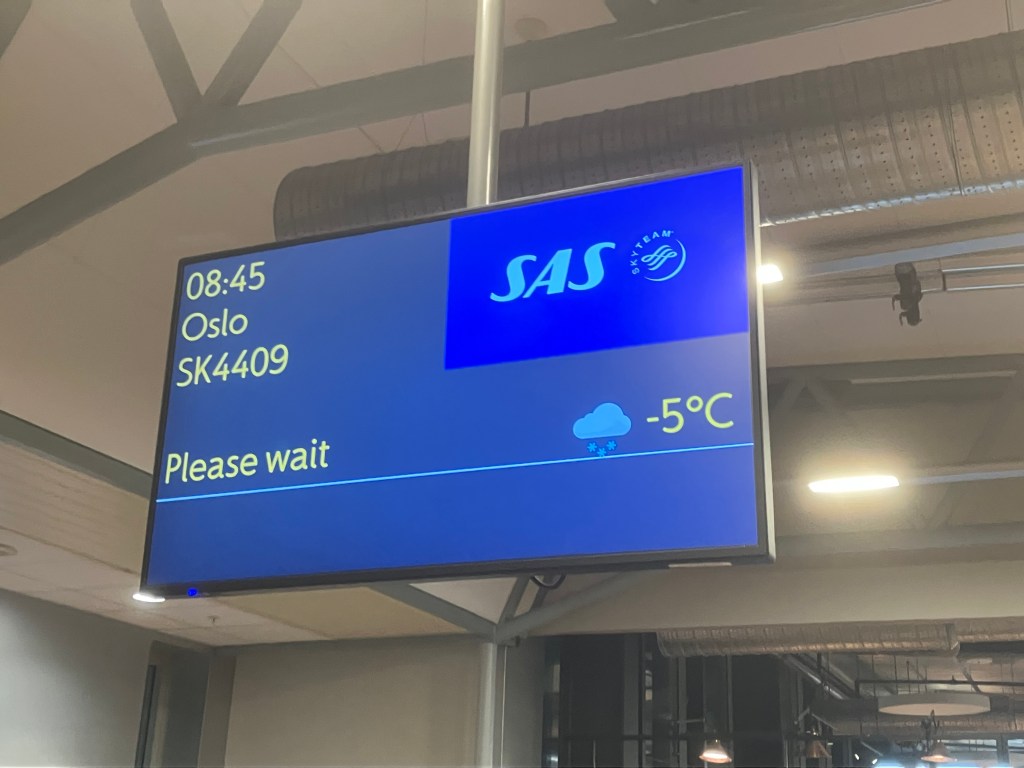
4) According to the Guardian, major airlines in Europe have claimed that fares would soar as a result of oil price spikes caused by the Iran war. SAS, commonly known as Scandinavian Airlines, has also announced a cancellation of over one thousand flights next month, in the wake of the surges in fuel costs. However, Norwegian Air Shuttle, a competitor, has decided to increase the number of its flights with other Nordic countries between 25 March and 12 April, as the demands for air transportation grow due to SAS’s decision and the Easter holiday.
5) Iceland became the latest country to sign a joint defence declaration with the European Union, at a time when many NATO members have expressed concerns both about Russian threats and the durability of American long-term commitments to the alliance. The declaration, which is non-binding, is similar to deals penned by Britain, Canada, and Norway and provides space for closer cooperation and information-sharing, including in Arctic-specific strategic concerns as well as cybersecurity, as explained by the Iceland Review.
6) Arctic Today reported on the outcomes of recent research about the polar environment, via the perspectives of studies on polar bears. Key findings include that polar bears are adapting to climate change, despite the changing environment, but that the warming Arctic region has also created challenges for the species. Additionally, these studies detailed how the ecosystem in the high north is also undergoing a transition.

 Over the Circle