by Mingming Shi
1) A wide range of celebrations took place across the Nordic countries this week to honour Nordic Day, which dates back to the 23rd of March 1962 when the Helsinki Treaty was signed. This agreement was aimed to enhance cooperation amongst the five Nordic countries, and the programmes this year focused on democracy and civic engagement by younger generations.
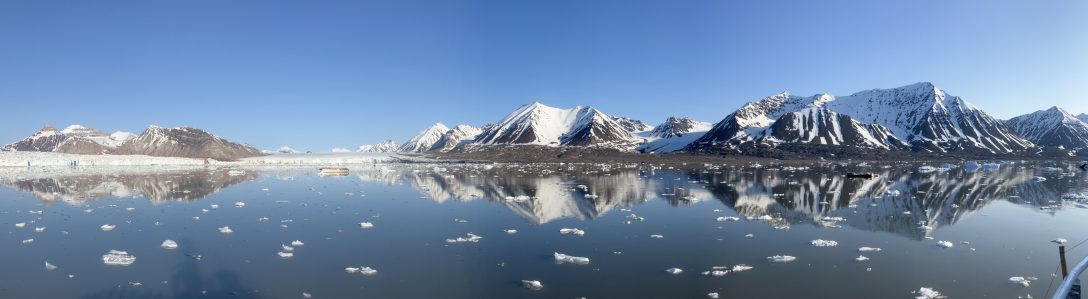
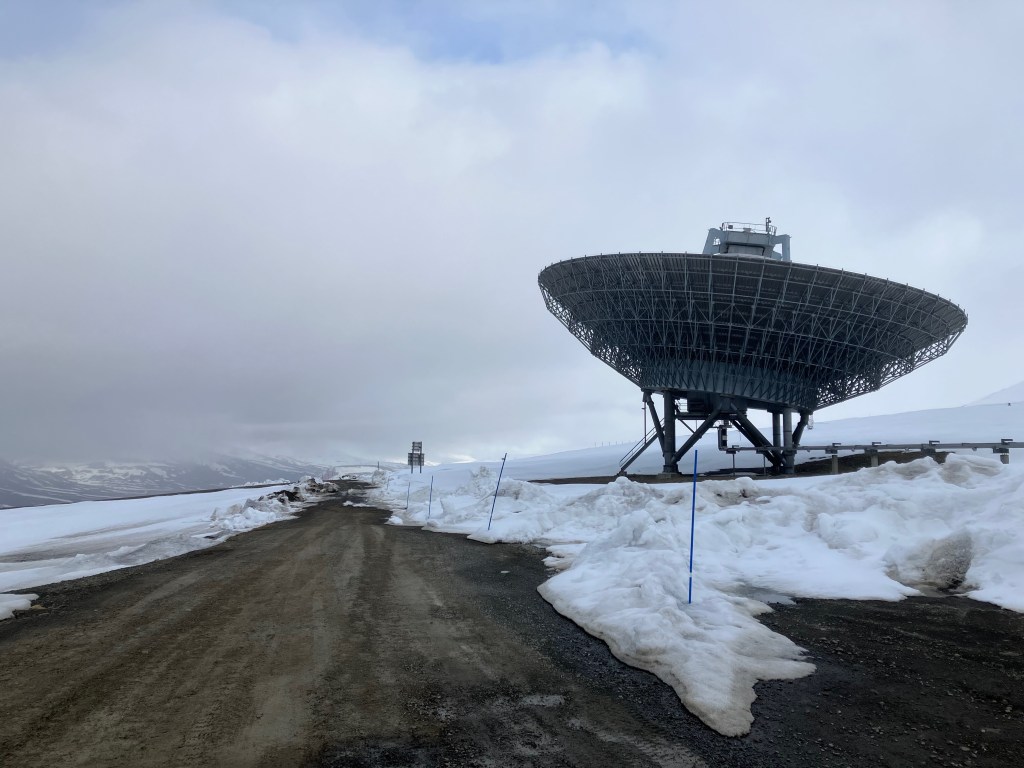
2) Deutsche Welle published a video news piece on the growing geopolitical strains facing Svalbard. Despite the islands being placed under Norwegian sovereignty under the terms of the Spitsbergen Treaty of 1920, Russia has begun to more openly question the political status quo there, and there are now concerns that Svalbard may be swept up in emerging East-West rivalries in the Arctic.
3) The parliamentary elections in the Kingdom of Denmark were held on 24 March. The total number of seats in the Danish parliament (Folketinget) is 179, including two representatives each from the Faroe Island and Greenland. The government, led by Prime Minister Mette Frederiksen of the Social Democratic Party (Socialdemokratiet), lost its majority in parliament, prompting new coalition talks. In Greenland, its two seats were secured by candidates from Inuit Ataqatigiit (IA) and Naleraq. Both representatives have argued that Greenland should obtain greater control over its own foreign policy.
4) As High North News reported, a method has been formulated by a scientific team at UiT-The Arctic University of Norway to predict potential locations of kelp forests along the Arctic coast. Kelp plays an important role in the oceans’ ecosystems, from feeding marine organisms to absorbing noise from shipping. This study is designed to improve current knowledge of kelp organisms and the understanding of climate change in the polar region.
5) Iceland and Norway both signed an agreement to be part of GOVSATCOM and the Secure Connectivity Programme with the European Union. This step is going to strengthen relations between the EU and Iceland and Norway in a comprehensive spectrum of fields, including air and seafaring safety, emergency preparedness, and healthcare.

 Over the Circle