Back in the 1990s, when modern globalisation studies were first germinating, a common conceit was that the growing interconnectivity of commerce and technology would reduce the importance of geography in world trade. Since then, the idea of liberalised trade ‘raising all boats’, in a world becoming increasingly flat, has been challenged on several fronts. The most recent hit being the global-level aftershocks of the ill-conceived and ill-fated US-Israeli military campaign against Iran since late February.
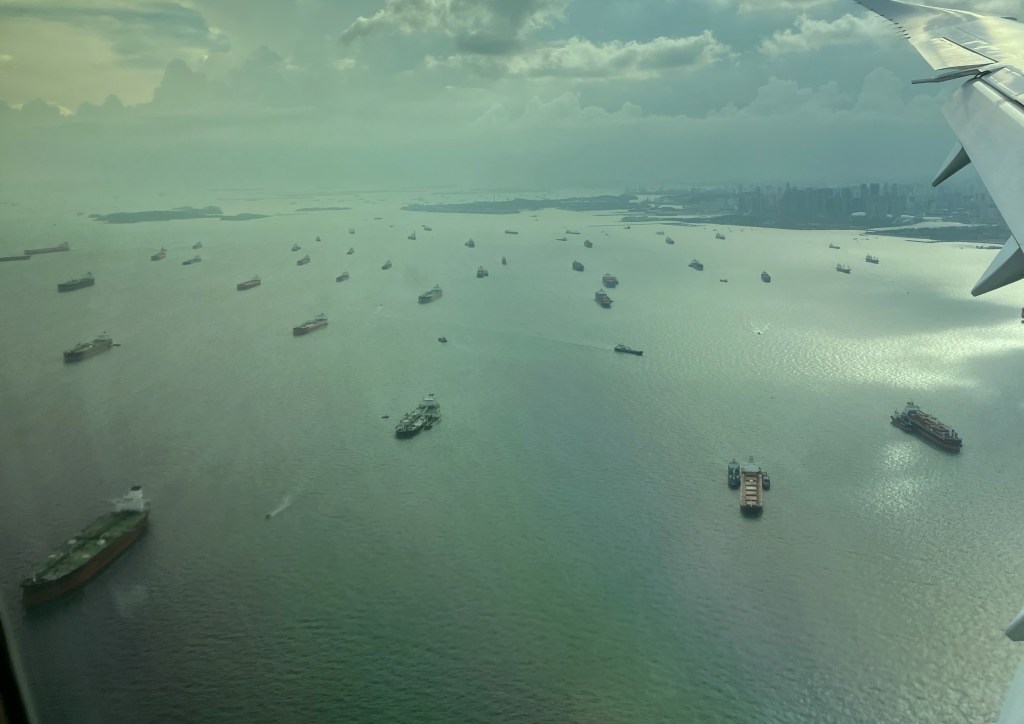
Not only has this conflict spiked energy and commodity prices and further driven wedges between the United States and its European allies, but the fighting has also underlined the stubborn importance of geographic chokepoints in the form of the duelling blockades implemented by the US and Iran in the Strait of Hormuz, a vital transit corridor for fossil fuels.
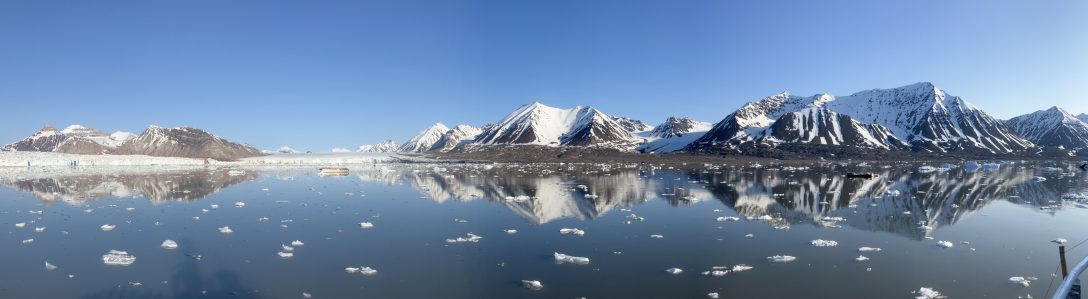
Rising oil prices, and the question of when they will fall, have not only brought back debates about the need for renewable energy sources, and how some governments such as Beijing are doubling efforts to eventually become ‘electrostates’, freer from the need for fossil fuels, but have also brought the Arctic back into focus both as a source of energy and as a remedy for the chokepoints problem. As the Arctic Ocean continues to experience warming temperatures and ice erosion, the estimated timeframe for the far north to become a more commonplace conduit for maritime trade continues to shorten.
Some Arctic governments have jumped on the concept of the Arctic being an alternative route for maritime shipping, given the vulnerabilities of traditional sea routes. This was illustrated after the 2021 incident in which a cargo vessel, the Ever Given, becoming stuck in the Suez Canal for six days and causing major disruption to sea commerce. Russian officials quickly touted the Northern Sea Route (NSR) as an emerging safer and more stable alternative passageway.
China has also been interested in restarting its support for the NSR as a route for cargo shipping, with Beijing touting the success of the Istanbul Bridge in traversing the route between Asia and Europe late last year. China sees this voyage as an initial step towards the creation of the ‘China-Europe Arctic Express’ (Zhong’ou beiji kuaihang 中欧北极快航) shipping corridor, while noting growing opportunities for closer Sino-Russian cooperation in developing the NSR. As well, neo-imperialist attempts by the current US government to revoke the sovereignty of the Panama Canal, and to annex Greenland over the wishes of the local population, also reflect concerns over control of key chokepoints.
Almost two decades ago, global oil prices were testing new highs due to surges in demand both from economies recovering from post-2008 recession and from large emerging markets like China and India which were accelerated their economic growth. The immediate post-2010 Arab Spring protests were also causing widespread concerns about supply reliability, and at that time there was little excess capacity.
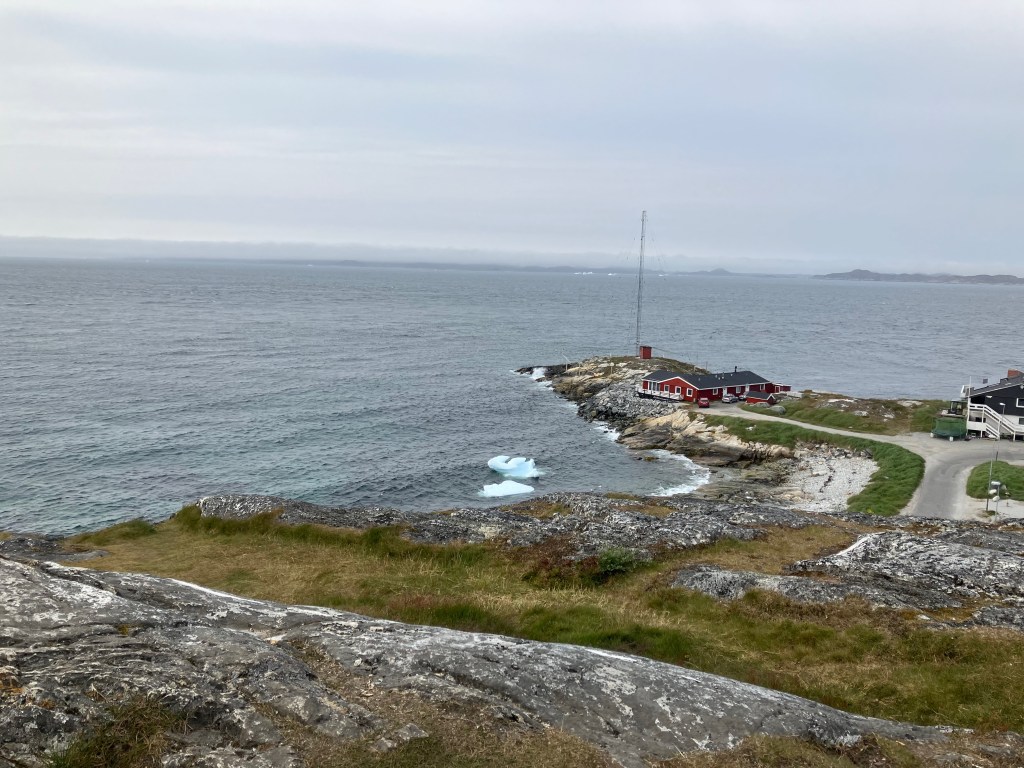
This time was also a period of extensive speculation that the Arctic would soon become an arena for a resource scramble as the region opened up to expanded resource extraction. However, such talk hit a wall in 2014 when oil prices tumbled as demand began to level off and shale oil extraction and hydraulic fracturing (fracking) became more commonplace. The economic trauma caused by the global pandemic in 2020-21 further depressed oil prices.
The question now is to what degree recent events which have pushed fossil fuel prices back upwards and led to questions about supply, including the post-2022 full invasion of Ukraine by Russia, the January 2026 US attack on Venezuela, and now the uncertain conclusion of US-led military operations in Iran, will revive mostly-dormant debates about Arctic energy and shipping.
Discussions about maritime chokepoints in the Arctic have been especially visible over the past few months in East Asia, a region which has been strongly disadvantaged by blockages of oil and gas from the Strait of Hormuz.
For example, Singapore, a major shipping power which sits alongside another major maritime passage, the Malacca Straits, has been watching the opening of the Arctic with great interest. The island state became an observer in the Arctic Council in 2013, and has since crafted an Arctic policy based on concerns over climate change in the far north, especially the potential for sea level rise, as well as how the opening of the Arctic may affect global shipping.
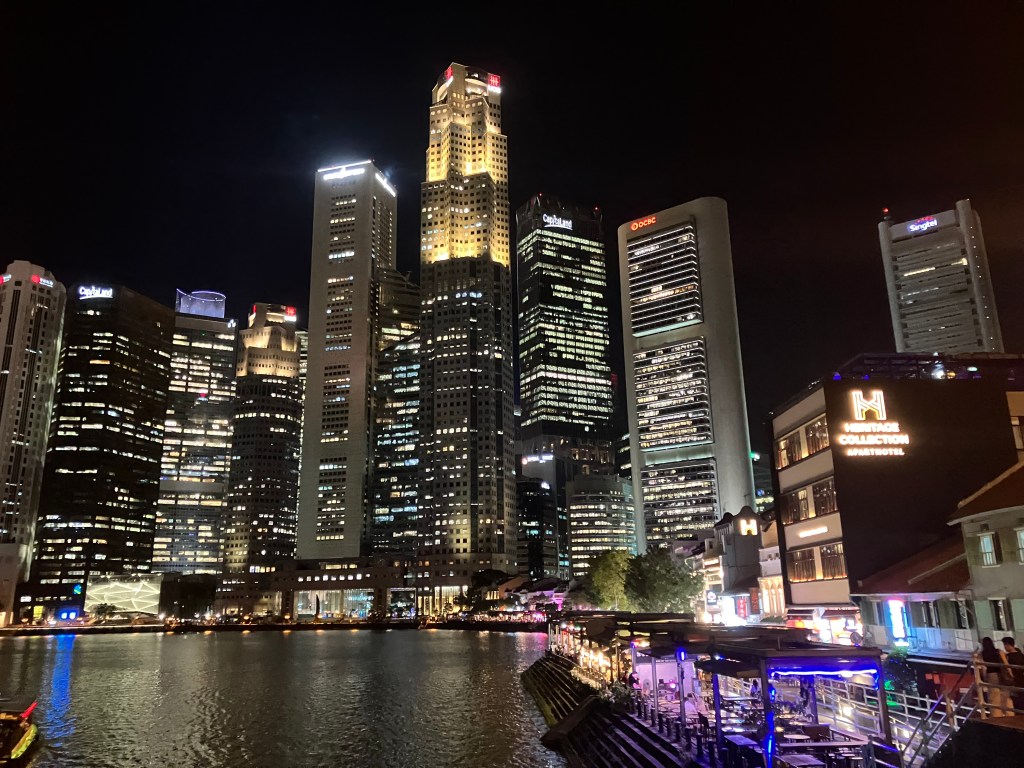
At the same time, the country has made use of its traditional foreign policy of non-alignment and small state diplomacy to become widely accepted as a player in Arctic governance as well as environmental discourses. The NSR is still far from being a robust alternative maritime route, especially as compared with those in the Indian or Pacific Oceans, (according to the Centre for High North Logistics, there were 103 transits of the NSR last year, a slight rise from 2024). Singapore, as well as other countries in Southeast Asia, are nonetheless wary of the Malacca Strait’s status as a transit hub waning in the coming decades. The Tuas Port project, opened in 2022 and expected to be fully expanded by the 2040s, was seen as a means to ensure Singapore does not lose significant amounts of commercial traffic to the NSR despite the latter’s shorter transit time.
As a small state heavily dependent on imports, the Singaporean government has reacted to the Hormuz situation with concerns over the potential for inflation, supply-line effects, and energy shortages. This month, Singapore also signed an agreement with the government of New Zealand to ensure energy and commodity supply chain security.
Other countries in East Asia have also started to rethink their Arctic policies in the wake of concerns over chokepoints and supply interruptions elsewhere. In Japan, there has yet to be a specific successor policy to the country’s 2015 White Paper on the Arctic, but at the same time Tokyo has sought to develop its Arctic engagement strategies via its government Basic Plans on Ocean Policy.
As a recent article via the Arctic Institute explained, the fourth such Basic Plan, currently active, stresses the need for maintaining Arctic security and the rule of law as well as regional economic interests, while being less definitive about potential Japanese participation in NSR development given the current geopolitical situation. As well, Japan’s latest icebreaker, the Mirai II (未来2) is expected to be completed in November of this year with its first voyage northwards slated for 2027.
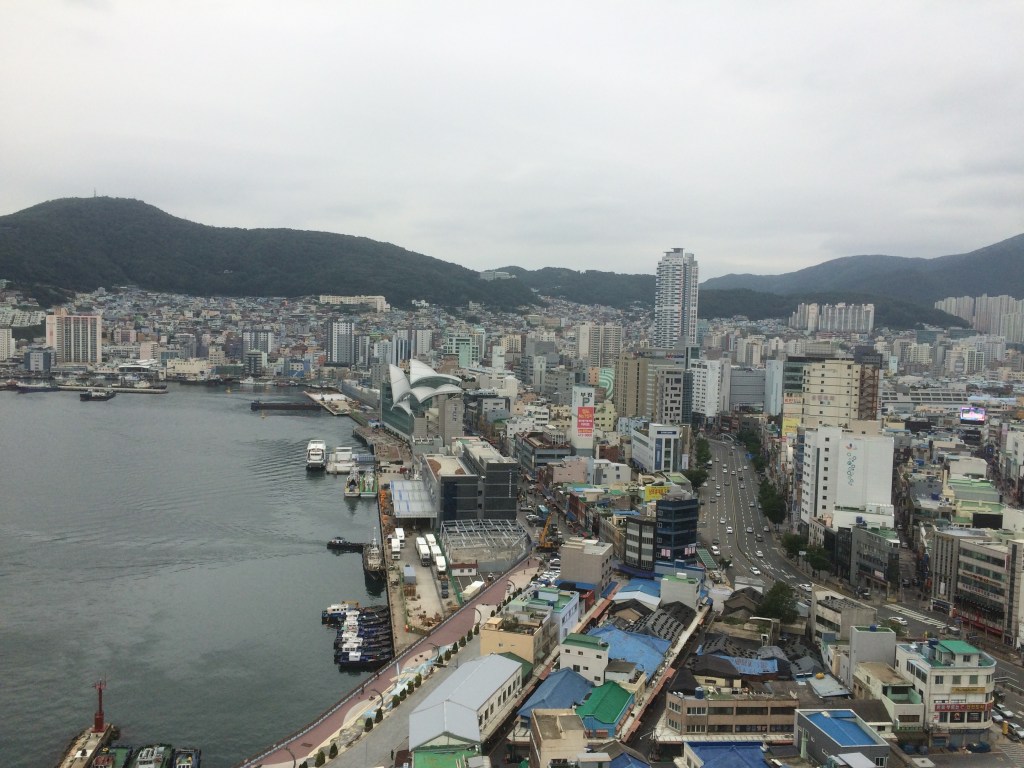
South Korea has also been turning its attention back to the Northern Sea Route in recent years, recognising its economic potential. This past January, the South Korean government announced that it would send a cargo vessel through the Northern Sea route for the first time, possibly during August / September) upon finishing negotiations with Russia. There has been much interest in Korea policy circles in transforming the post city of Busan into an Arctic transit hub. A delegation from the Busan port authorities visited Tromsø in March this year to discuss Korea’s Arctic maritime ambitions and seek avenues for cooperation.
The NSR initiative has, however, caused some political backlash in Seoul, including over questions about cooperation with Russia under current circumstances, as South Korea currently participates in Western-backed sanctions on Moscow. Should this trial voyage go forwards, the Korean government does plan to regularise maritime transits via the NSR.
Current talk of supply chains and chokepoints have provided another example of how and why the modern Arctic can rarely remain disconnected from international economic and security concerns. The longer-term effects of the Iran conflict and other disruptions to global commerce are still difficult to gauge, but already the Arctic’s attractiveness as an alternative, even if only secondary, transit route is starting to gain attention from governments far from the North Pole.


