As the melting of the Arctic ice caps continues at a steady pace, and concerns about both fossil fuels and green alternatives stubbornly persist, the far north has gained greater attention over the past decade for its untapped sources of rare earth elements (or REEs; examples are dysprosium, germanium, neodymium, and terbium), as well as the larger category of ‘strategic materials’, which include more common commodities like cobalt, graphite, lithium, nickel, and tungsten. As global supply chains and fossil fuel prices remain erratic at best, many countries are seeking to develop their own stockpiles and diversify their lists of external suppliers. This drive is based on the need to bypass China’s domination of not only REE supplies, but also of their processing.
Since the 1960s, China has been able to build a near-monopoly in REE development, but geopolitical stresses and growing demand, especially as many economies are now seeking to begin a ‘green transition’ away from oil and gas dependence, have accelerated calls for alternative sources as these materials become more securitised. At present, about 91 percent of REE separation and refining take place in China, and Beijing has not been hesitant of late to leverage that advantage for geo-economic purposes.
Enter the Arctic, as changed climate conditions and the disappearance of sea ice have resulted in the perception of the region as an emerging secondary source, at least in the longer term, of strategic materials for both military and environmental technology applications. Echoing concerns raised almost two decades ago about a mad global dash for Arctic fossil fuels, there is now talk of the far north being set up for heated competition over access to metals and minerals.
However, just as the oil and gas scramble in the Arctic turned out to be more smoke than fire (for now), the question of northern strategic materials is also likely to be more nuanced than early predictions suggest. As before with oil and gas, there is the looming cost / benefit ratio of any new REE mining projects in Arctic lands to consider.
That does not mean, however, that efforts have not begun. Canada, for example, announced last year that it would seek to build a strategic stockpile of select rare earths, as well as designate access to some critical materials as strategic priorities. The government of Prime minister Mark Carney announced the development of two specific investment projects to energise domestic mining enterprises, namely the C$2 billion Critical Minerals Sovereign Fund (CMSF) announced last year to support new mining projects and augment supply chain capabilities, and the newer ‘First and Last Mile’ Fund, (FLMF), reserving C$1.5 billion to support specific mining and processing projects and engage Indigenous communities in these processes.
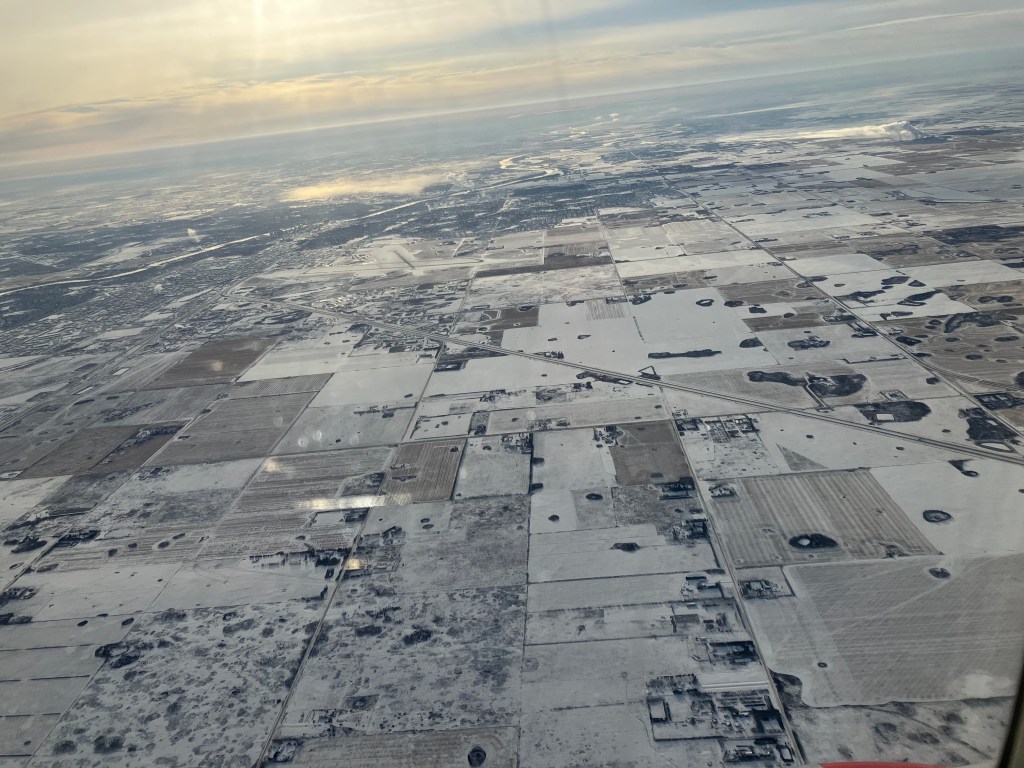
While Canada is estimated to have some of the world’s largest known reserves of REEs, including in Ontario, Saskatchewan, and Québec as well as the Northwest Territories, the country has yet to make the full transition to becoming a commercial rare earths producer. This situation is in the process of being rectified in central Canada, as the Saskatchewan Research Council (SRC)’s Rare Earth Processing Facility in Saskatoon moves closer to full operations. When completed next year, these facilities will produce neodymium-praseodymium (NdPr) metal, an essential component for high-grade magnet production, as well as dysprosium and terbium oxides for magnets used in electric vehicles and turbines, and in the case of the latter, phosphors and flash memory storage.
In December last year, an agreement was penned between the SRC and the American firm REalloys Inc. which would allow the company to purchase much of these REEs processed for US defence applications. Saskatchewan is already a primary supplier of both uranium and potash, and has been seeking to expand its extractive industry expertise further into strategic materials development, with the intent of becoming a hub for these resources, as explained in the provincial government’s 2023 strategy paper on the subject. Recently, the efforts by Canada, including Saskatchewan, to develop a more independent rare earths strategy have also caught the attention of Chinese specialists and policymakers looking at potential competition.
Elsewhere, other Arctic governments have also begun to develop rare earth policy platforms. In early 2023, there was much fanfare in the wake of an announcement by the Swedish firm Luossavaara-Kiirunavaara Aktiebolag (LKAB) that Europe’s what was then the largest single deposit of REEs, over one million tonnes of oxides, had been found at Per Gejjer, near the northern city of Kiruna. Although it was estimated that it would take at least a decade to begin mining and shipping operations, the discovery was nonetheless seen as a major step in allowing the European Union to become less dependent on Chinese rare earth supplies.
Earlier this year, the Fen mining site in Telemark, Norway reported that its discovered deposits of rare earths, especially neodymium and praseodymium, were much larger than those found thus far in Kiruna.
Russia, still struggling under Western-led sanctions since 2022, also has large strategic material deposits but continues to lack the ability to mine them en masse or process them. In recent years, Moscow has been reaching out to fellow members of the BRICS+ group, including Brazil and India, to potentially co-develop Russian REE exports. The Russian government is also keeping a wary eye on Central Asia, notably Kazakhstan, as another source of strategic material investment, especially since the United States and EU have also expressed interest in REE development there.
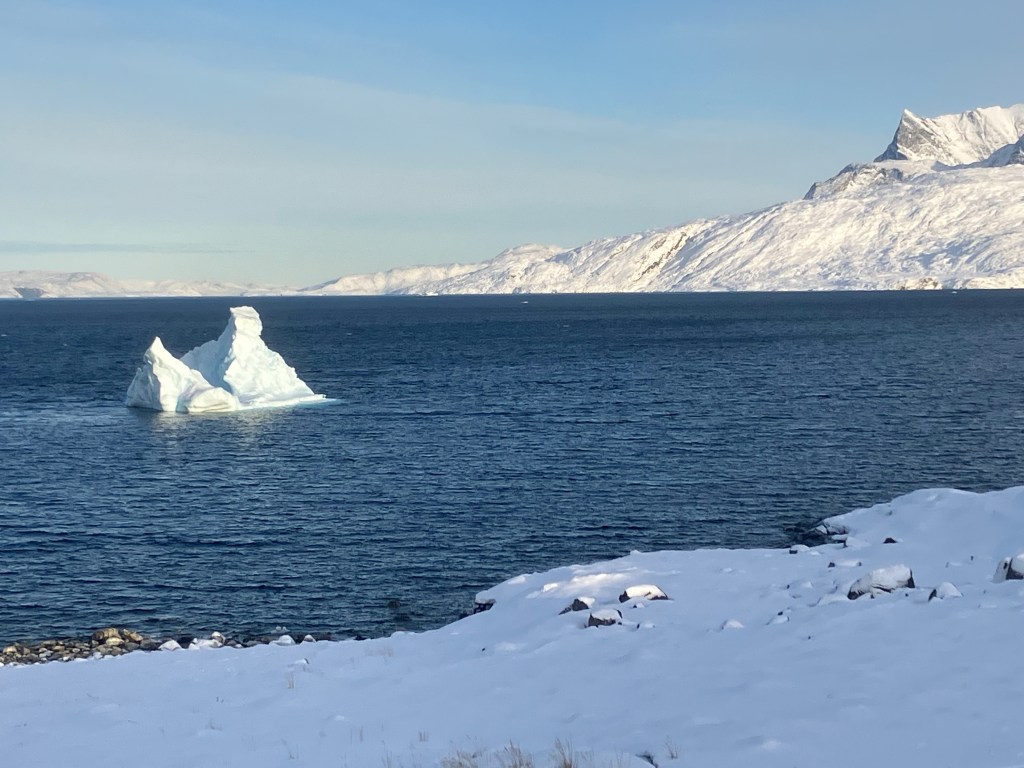
Finally, amongst the many reasons cited to explain the renewed interest of the US government in annexing Kalaallit Nunaat (Greenland), despite the strident objections of both Greenland and Denmark, has involved Greenlandic rare earth and other strategic metal and mineral deposits. Despite the considerable logistical challenges in establishing new mines in Greenland, as well as Nuuk’s restrictions on mining activities, including a five-year-old ban on uranium mining on environmental grounds, as the issue of ‘green’ (environmentally sustainable) mining continues to be debated in Greenlandic policy circles. Meanwhile, an American firm, Critical Metals Corp, is planning on opening its Tanbreez rare earths project in southern Greenland in the next two years, with test drilling already underway.
A cursory glance at maps provided by Greenland’s resource authorities aptly illustrates the resource extraction potential there, including not only rare earths but also other sought after metals and minerals, (copper, gold, graphite, iron, platinum, titanium, and zinc), but the high costs involved in developing mines and concerns about local environmental impact have slowed down any sort of boom in this sector. At present, only two mines are active in Greenland, (anthracite extraction near Kangerlussuaq, and a gold mine in Nanortalik, southern Greenland), while other projects, including the now notorious Kuannersuit REE, uranium and zinc mine, remain in abeyance.
The push for greater rare earths / strategic material extraction in the Arctic and sub-Arctic is arguably still in its opening stages, but as many regional governments have clarified which resources are now considered essential for both military and economic security, both surveying and eventually mining activities are only likely to increase in the far north. The question, however, is how this pursuit will impact the Arctic’s already sensitive strategic and environmental milieu.


